
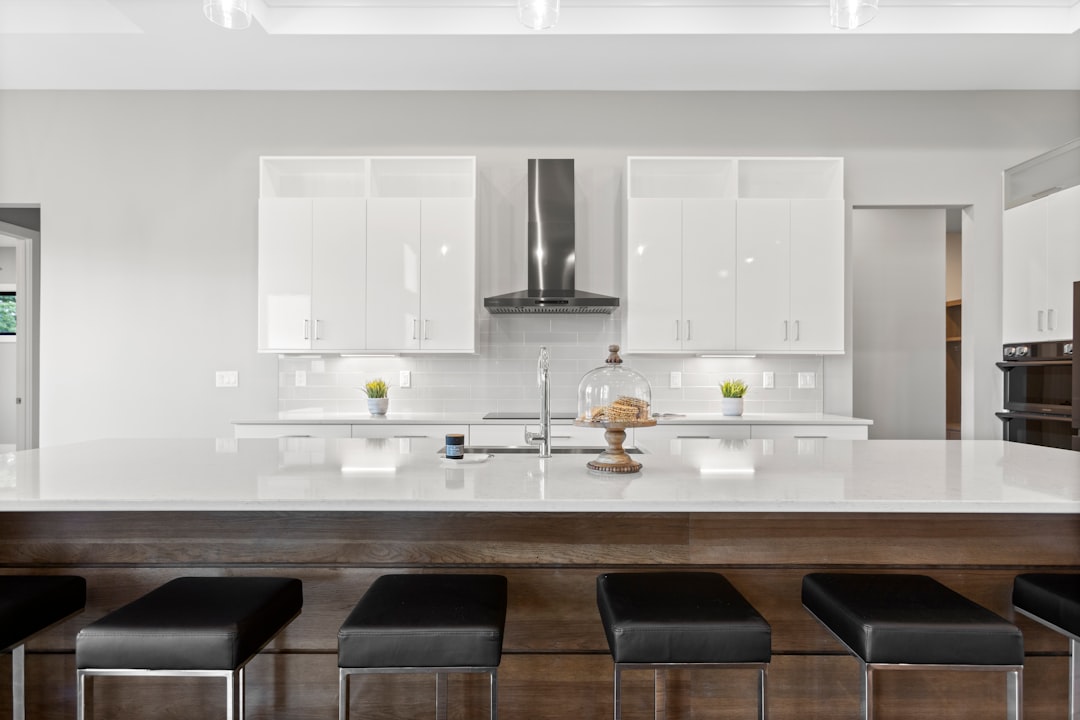
The Ultimate Guide to Kitchen Installation Tips and Tricks
Transforming your kitchen can be an exciting yet daunting task. Whether you are renovating your existing space or starting from scratch, understanding the various aspects of kitchen installation is crucial. This guide will provide you with essential tips and tricks to ensure a smooth and successful kitchen installation process.
Understanding Your Needs
Before diving into any installation project, it is vital to assess your needs and preferences. Consider how you use your kitchen daily and what improvements can enhance your cooking and dining experience. This might include evaluating your current flooring, countertops, and appliances to determine what needs upgrading or replacing.
Identifying your style preferences is equally important. Do you prefer a modern, sleek look, or are you drawn to a more traditional aesthetic? Understanding your needs will help you make informed decisions throughout the installation process, ensuring that your new kitchen aligns with your lifestyle and taste.
Choosing the Right Materials
The materials you select for your kitchen installation play a significant role in both functionality and aesthetics. For flooring, options like hardwood, tile, or laminate each offer unique benefits. Hardwood provides warmth and durability, while tile is easy to clean and resistant to moisture, making it ideal for kitchens.
When it comes to countertops, consider materials such as granite, quartz, or butcher block. Each material has its advantages, from the natural beauty of granite to the low maintenance of quartz. Choosing the right materials not only enhances the look of your kitchen but also ensures longevity and ease of use.
Planning the Layout
A well-thought-out kitchen layout is essential for maximizing space and efficiency. The classic work triangle concept, which positions the sink, stove, and refrigerator in a triangular formation, is a great starting point. This design minimizes unnecessary movement and makes cooking more enjoyable.
Additionally, consider the flow of traffic in your kitchen. Ensure that pathways are clear and that there is enough space for multiple people to work comfortably. A well-planned layout will enhance functionality and make your kitchen a welcoming space for family and friends.
Installation Process
Once you have your materials and layout planned, it’s time to begin the installation process. Start with flooring installation, as it sets the foundation for your kitchen. Properly preparing the subfloor and ensuring it is level will prevent future issues. Follow manufacturer guidelines for installation to achieve the best results.
Next, focus on cabinetry and countertops. Installing cabinets requires precision and attention to detail, as they will dictate the overall look of your kitchen. After cabinets are in place, secure your countertops, ensuring they are level and properly sealed to prevent moisture damage.
Final Touches and Maintenance
After the major installations are complete, it’s time to add the finishing touches. This includes installing backsplashes, appliances, and plumbing fixtures. A well-chosen backsplash can tie the entire kitchen together, adding a splash of color or texture.
Finally, establish a maintenance routine to keep your kitchen looking its best. Regular cleaning and care for your flooring, countertops, and appliances will extend their lifespan and maintain their appearance. By following these tips, you can enjoy a beautiful and functional kitchen for years to come.
Step-by-step plan:
Step 1: Assess your kitchen needs and preferences. Step 2: Choose the right materials for flooring and countertops. Step 3: Plan an efficient kitchen layout. Step 4: Follow proper installation procedures for each component.