
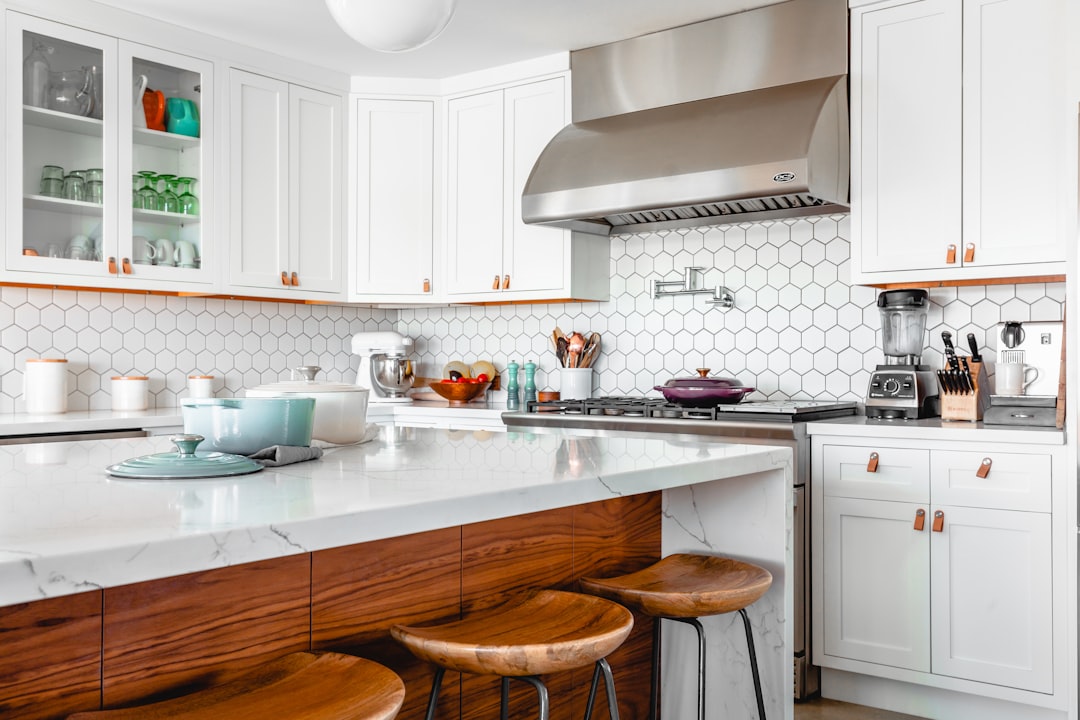
Common Mistakes to Avoid During Kitchen Installation Projects
Embarking on a kitchen installation project can be both exciting and daunting. With so many elements to consider, it is easy to overlook critical details that can lead to costly mistakes. Understanding common pitfalls can help you navigate the process smoothly and ensure that your kitchen is not only functional but also sustainable and stylish.
Neglecting Proper Planning
One of the most significant mistakes homeowners make during kitchen installation is failing to plan adequately. Without a clear vision and layout, you may end up with a kitchen that does not meet your needs or preferences. Take the time to assess your space, consider your cooking habits, and envision how you want the kitchen to function. This planning phase is crucial for making informed decisions about flooring, countertops, and cabinetry.
Moreover, planning should also include budgeting for your project. Many homeowners underestimate the costs associated with kitchen installations, leading to financial strain. By creating a detailed budget that includes all aspects of the installation, you can avoid surprises and ensure that you can afford the materials and services you desire.
Choosing the Wrong Materials
Another common mistake is selecting materials that do not align with your lifestyle or sustainability goals. For instance, opting for low-quality flooring or countertops may save you money upfront, but it can lead to higher maintenance costs and replacements in the future. Instead, consider investing in eco-friendly materials that are durable and ethically sourced, such as bamboo flooring or recycled glass countertops.
Additionally, be mindful of certifications like Energy Star, which can guide you in choosing energy-efficient appliances and fixtures. These certifications not only enhance the sustainability of your kitchen but also build trust with buyers who prioritize eco-conscious decisions. By selecting the right materials, you can create a kitchen that is both beautiful and environmentally responsible.
Overlooking Professional Installation
Many homeowners attempt to tackle kitchen installations as DIY projects, which can lead to significant errors. While DIY can be rewarding, certain aspects of kitchen installation require professional expertise, especially when it comes to plumbing and electrical work. Overlooking these details can result in safety hazards and costly repairs down the line.
Hiring experienced professionals ensures that your kitchen is installed correctly and efficiently. They can provide valuable insights and recommendations based on their expertise, helping you avoid common mistakes. Additionally, professionals often have access to better materials and tools, which can enhance the overall quality of your installation.
Ignoring the Importance of Lighting
Lighting is a crucial element in any kitchen, yet it is often overlooked during the installation process. Poor lighting can make your kitchen feel cramped and uninviting, while well-planned lighting can enhance the functionality and aesthetics of the space. Consider incorporating a mix of ambient, task, and accent lighting to create a well-lit environment.
Furthermore, energy-efficient lighting options, such as LED fixtures, can significantly reduce your energy consumption. By prioritizing lighting in your kitchen design, you can create a space that is not only practical but also welcoming and sustainable.
Failing to Consider Future Needs
Finally, one of the most critical mistakes is not considering your future needs when designing your kitchen. As your family grows or your lifestyle changes, your kitchen may need to adapt as well. Failing to account for these changes can lead to a kitchen that quickly becomes inadequate.
Think about how your kitchen will serve you in the long term. For example, if you plan to host gatherings, ensure there is ample seating and counter space. If you anticipate needing more storage, consider incorporating cabinets that can accommodate your future needs. By planning for the future, you can create a kitchen that remains functional and enjoyable for years to come.